Texas DWI Penalties: What a Conviction Can Cost You
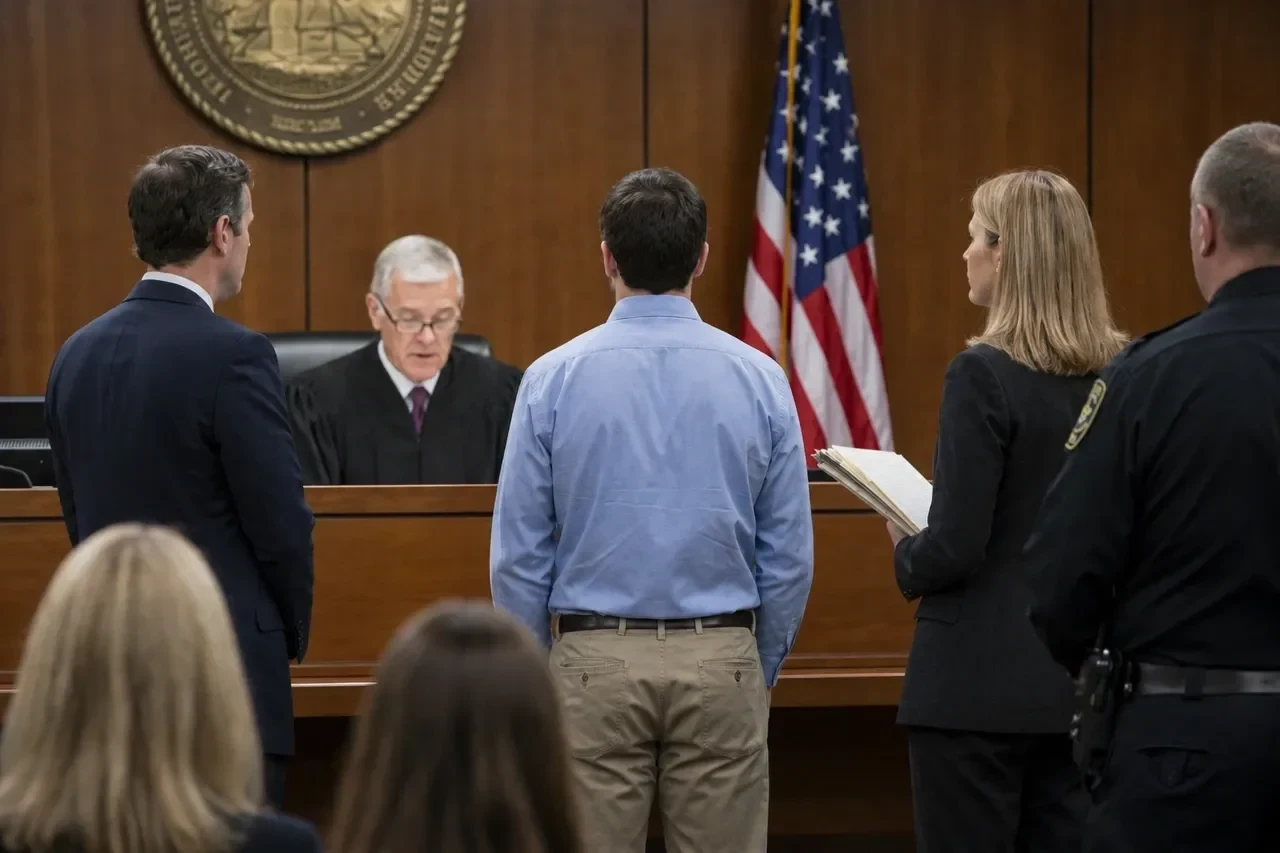
A DWI conviction in Texas can carry serious consequences. The exact penalty depends on the facts of the case, including whether it is a first offense, whether the driver had a high blood-alcohol concentration, whether there was an open container, whether a child was in the vehicle, and whether anyone was injured or killed.
Below is a general overview of the range of penalties under Texas law.
First-Offense DWI
A standard first-time DWI is usually a Class B misdemeanor.
A conviction can result in:
- At least 72 hours in jail
- Up to 180 days in jail
- A fine of up to $2,000
- A driver’s license suspension, often ranging from 90 days to 1 year
- Court costs, probation conditions, DWI education, and possible ignition interlock requirements
Even for a first offense, a DWI conviction can create a permanent criminal record and increase insurance costs.
First-Offense DWI With an Open Container
If there was an open container of alcohol in the vehicle, the offense is still generally a Class B misdemeanor, but the minimum jail time increases.
In that situation, the range is typically:
- At least 6 days in jail
- Up to 180 days in jail
- A fine of up to $2,000
- Possible driver’s license suspension and other court-ordered conditions
DWI With a BAC of 0.15 or Higher
If testing shows a blood-alcohol concentration of 0.15 or more, the charge can be enhanced to a Class A misdemeanor, even if it is a first offense.
That can mean:
- Up to 1 year in jail
- A fine of up to $4,000
- Driver’s license suspension
- A greater likelihood of ignition interlock requirements
- Additional probation and alcohol-related conditions
A high BAC allegation can significantly increase both the legal exposure and the practical consequences of the case.
Second DWI
A second DWI is generally a Class A misdemeanor.
The possible penalties include:
- 30 days to 1 year in jail
- A fine of up to $4,000
- Driver’s license suspension, often ranging from 180 days to 2 years
- Ignition interlock requirements
- Probation conditions, alcohol treatment, and repeat-offender consequences
A second conviction also makes future DWI charges more serious.
Third or Subsequent DWI
A third DWI can be charged as a third-degree felony.
The potential punishment includes:
- 2 to 10 years in prison
- A fine of up to $10,000
- Driver’s license suspension
- Felony probation or prison exposure
- Long-term consequences from having a felony record
A felony DWI can affect employment, housing, professional licensing, firearm rights, and future criminal exposure.
DWI With a Child Passenger
If a person is accused of driving while intoxicated with a passenger under age 15, the case can be charged as a state jail felony.
The possible punishment includes:
- 180 days to 2 years in a state jail facility
- A fine of up to $10,000
- A felony conviction
- Possible family-law or child-protective-services consequences
This is true even if no accident occurred.
Intoxication Assault
If intoxicated driving causes serious bodily injury to another person, the charge may become intoxication assault.
This is usually a third-degree felony, carrying:
- 2 to 10 years in prison
- A fine of up to $10,000
The penalties may be enhanced in certain cases, such as when the injured person is a peace officer, firefighter, emergency medical services worker, or other protected person.
Intoxication Manslaughter
If intoxicated driving causes another person’s death, the charge may become intoxication manslaughter.
This is usually a second-degree felony, carrying:
- 2 to 20 years in prison
- A fine of up to $10,000
In aggravated circumstances, the punishment range may increase.
License Suspension and Administrative Consequences
A DWI case can also create driver’s license problems separate from the criminal case. Texas has administrative license rules that can apply after a DWI arrest, including suspensions for failing or refusing a breath or blood test.
Depending on the situation, a person may face:
- A suspension of 90 days to 1 year for certain test failures or conviction-based suspensions
- A suspension of 180 days to 2 years for certain refusals or repeat offenses
- Restrictions requiring an ignition interlock device
- The need to apply for an occupational driver’s license to drive for work, school, or essential household duties
Because the license case can move quickly, it is important to act promptly after a DWI arrest.
Contact Derek Israel Law
Additional State Fines and Costs
In addition to criminal fines, Texas may impose a separate state traffic fine for intoxication-related convictions.
Those additional fines can be:
- $3,000 for a first DWI within a 36-month period
- $4,500 for a subsequent DWI within a 36-month period
- $6,000 for a DWI with a BAC of 0.15 or more
These amounts are separate from court costs, probation fees, ignition interlock fees, alcohol education costs, towing fees, and increased insurance premiums.
The Bottom Line
Texas DWI penalties can range from a misdemeanor with a few days in jail to a felony carrying years in prison. Even a first offense can lead to jail time, fines, license suspension, higher insurance rates, and a criminal record. Repeat offenses, high BAC cases, child passengers, serious injuries, or deaths can dramatically increase the consequences.
Anyone charged with DWI should speak with a qualified Texas criminal defense attorney as soon as possible. Early legal help can be important for protecting driving privileges, evaluating defenses, and working toward the best possible outcome.