The Consequences of a DWI Arrest in Texas
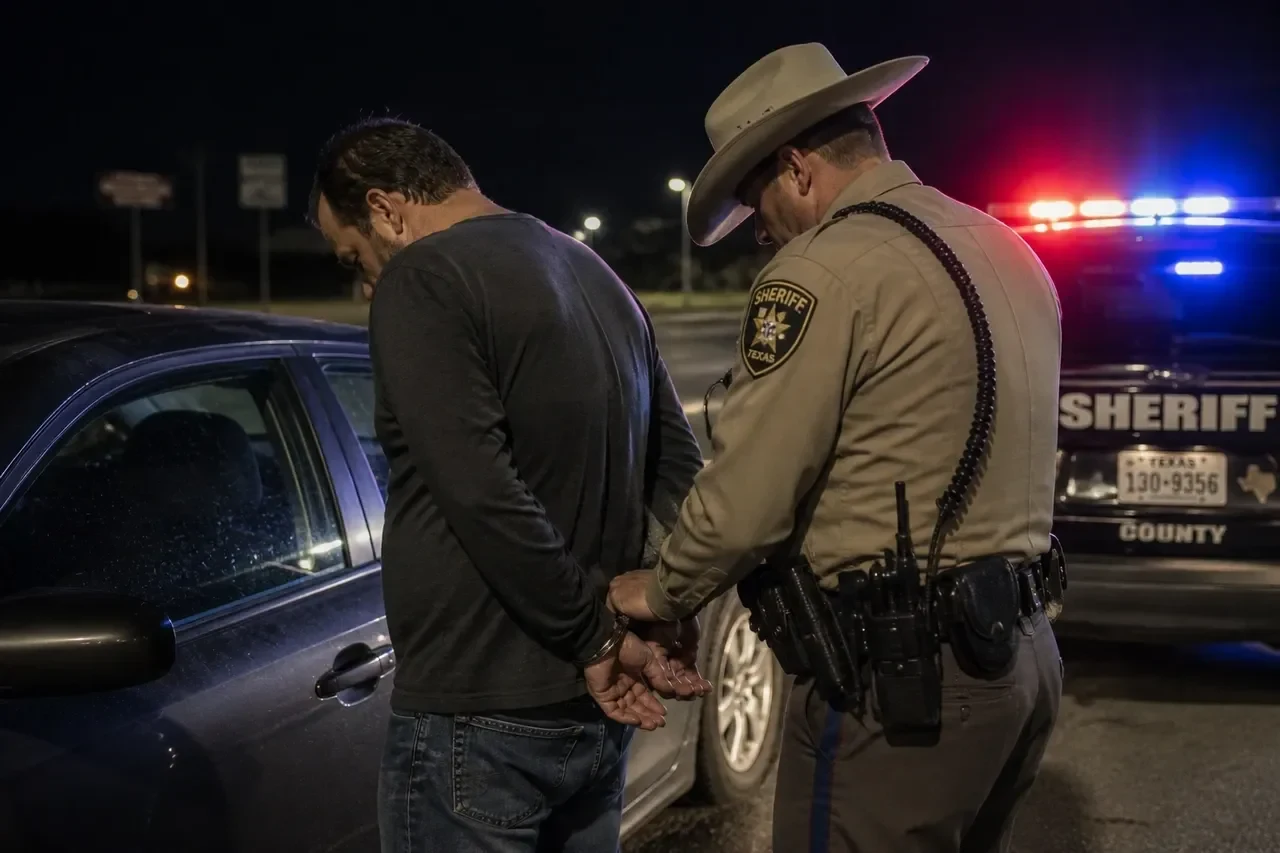
A DWI charge can feel overwhelming, but a DWI conviction can have consequences that extend far beyond the courtroom. In Texas, driving while intoxicated may affect a person’s freedom, finances, driver’s license, employment, insurance, and future opportunities.
Criminal Penalties
A first-time DWI is often charged as a misdemeanor, but that does not mean it is minor. A conviction can result in:
- Jail time
- Fines and court costs
- Probation or community supervision
- Community service
- Alcohol education or treatment programs
- Ignition interlock requirements
- A permanent or long-lasting criminal record
Certain facts can make the punishment more serious, including a high blood-alcohol concentration, having a child passenger, causing an accident, causing injury, or having prior DWI convictions. Repeat DWI offenses can become felonies, carrying the possibility of prison time.
Driver’s License Consequences
A DWI conviction can also lead to a driver’s license suspension. For many people, losing the ability to drive creates immediate problems: getting to work, taking children to school, attending medical appointments, or meeting family obligations.
In some cases, a person may be eligible for an occupational driver’s license, which allows limited driving for essential needs. However, this is not automatic and may come with restrictions, fees, and ignition interlock requirements.
Financial Costs
The financial impact of a DWI conviction can be substantial. Beyond fines, a person may face:
- Court costs
- Probation fees
- Alcohol education program fees
- Ignition interlock installation and monitoring costs
- Increased auto insurance premiums
- Towing and vehicle impound fees
- Lost wages from missed work or license suspension
Even after the criminal case ends, the financial consequences can continue for years.
Employment and Professional Licensing
A DWI conviction may affect current or future employment, especially for people who drive for work, hold a commercial driver’s license, work in regulated industries, or must pass background checks.
Professionals such as nurses, teachers, pilots, attorneys, doctors, real estate agents, and others may also have to report a conviction to a licensing board. Depending on the profession, a DWI can trigger disciplinary review, restrictions, or additional reporting obligations.
Insurance and Driving Record Issues
After a DWI conviction, auto insurance rates often increase significantly. Some drivers may be required to obtain special proof of financial responsibility, and some insurers may cancel or decline coverage.
For commercial drivers, the consequences can be especially severe. A DWI may affect a person’s ability to keep or obtain a commercial driver’s license, even if the incident happened in a personal vehicle.
Immigration, Housing, and Personal Consequences
For non-citizens, a DWI conviction can sometimes create immigration concerns, especially if there are aggravating facts or other criminal history. A conviction may also appear on background checks for housing, education, loans, volunteer work, or security clearances.
There are also personal consequences: stress, family disruption, reputational harm, and the burden of complying with court-ordered conditions.
Contact Derek Israel Law
Why Early Legal Help Matters
A DWI case is not just about whether someone will pay a fine. It can affect nearly every part of a person’s life. An attorney can review the traffic stop, field sobriety testing, breath or blood testing, police procedures, prior history, and available defenses. Counsel can also help evaluate options for reducing penalties, protecting driving privileges, and minimizing long-term consequences.
If you or someone you know has been charged with DWI, it is important to speak with a qualified criminal defense attorney as soon as possible. Early action may make a meaningful difference in the outcome of the case.